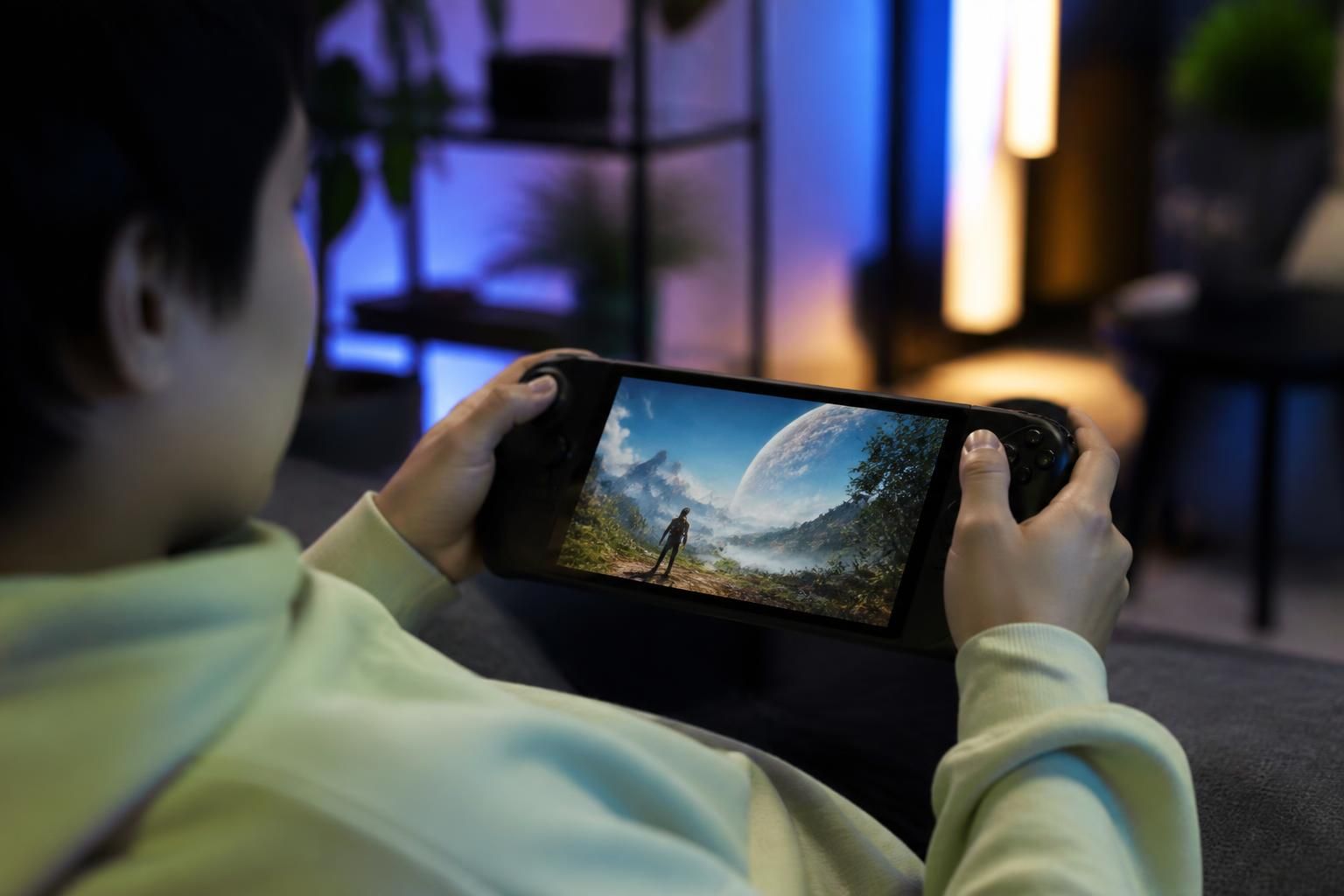
The future of handheld gaming looks promising with new innovations
The future of handheld gaming looks promising, driven by continuous technological advancements and evolving player expectations. As gaming has transitioned from traditional consoles and PCs to more portable forms, the handheld gaming market has gained significant momentum. This shift is characterized by innovations that enhance the gaming experience, making it more immersive, accessible, and enjoyable. In this article, we will explore the critical advancements shaping the future of handheld gaming, including hardware improvements, cloud gaming integrations, and the impact of mobile technology.
Advancements in Hardware Technology
One of the most significant factors influencing the future of handheld gaming is the rapid evolution of hardware technology. Manufacturers are continuously pushing the boundaries of what is possible in terms of processing power and graphics capabilities. Devices like the Steam Deck and Nintendo Switch have set new standards for performance and versatility, enabling players to enjoy high-quality graphics and complex gaming experiences on the go.
Future handheld devices are likely to feature even more powerful processors, enhanced battery life, and higher resolution displays. These advancements will not only improve the visual fidelity of games but also allow for more demanding titles that were previously confined to home consoles. Innovations such as OLED screens will also provide brighter colors and deeper blacks, enriching the overall gaming experience. As hardware continues to evolve, players can expect a seamless blend of console-quality gaming and portability.
The Role of Cloud Gaming in Handheld Devices
Cloud gaming is another innovation poised to transform the future of handheld gaming. Services like Xbox Cloud Gaming and NVIDIA GeForce Now allow players to stream games directly to their devices, reducing the need for local storage and enabling access to a broader library of titles. As internet speeds improve and latency issues diminish, cloud gaming will offer a viable solution for handheld gamers who want to play AAA titles without the constraints of powerful hardware.
This shift toward streaming games means that handheld devices will become less reliant on their internal specifications and more on their ability to connect to robust internet services. With this, players can enjoy an extensive range of games, including those that demand significant processing power, all while on the move. The convenience of cloud gaming aligns perfectly with the lifestyle of modern gamers who seek flexibility and mobility in their gaming experience.
Mobile Technology and Gaming Applications
The integration of advanced mobile technology into gaming devices is essential to understanding the future of handheld gaming. With the proliferation of smartphones featuring cutting-edge processors and graphics capabilities, mobile gaming has emerged as a dominant force in the industry. Popular titles such as Genshin Impact and Call of Duty: Mobile demonstrate that high-quality gaming experiences are achievable on handheld devices.
As mobile technology continues to advance, the future of handheld gaming will see even more sophisticated applications. Innovations like augmented reality (AR) and virtual reality (VR) are gradually making their way into handheld formats, enhancing interactivity and immersion. For instance, the use of AR in games can create unique gameplay experiences by merging the virtual and real worlds, while VR offers a more immersive environment for players. The availability of such technologies on handheld devices will significantly broaden the scope of gaming experiences available to players. For more on this topic, see สล็อตเว็บตรง.
Impact of Gaming Culture on Handheld Devices
The future of handheld gaming is also heavily influenced by the evolving culture surrounding gaming. As gaming becomes more socially integrated, handheld devices are increasingly seen as tools for social interaction, not just solitary experiences. Multiplayer gaming, social platforms, and the rise of esports have changed how players engage with games, leading to a demand for handheld devices that can efficiently support these activities.
Manufacturers are responding by developing devices with features designed for connectivity and interaction. This includes built-in microphones, enhanced online capabilities, and social media integration, allowing players to share their experiences easily and connect with friends. Furthermore, the growth of esports opens new avenues for handheld devices to be used in competitive scenarios, potentially leading to specialized gaming formats that cater to this active community.
Sustainability and the Future of Handheld Gaming
As the world becomes more aware of environmental issues, the future of handheld gaming will likely lean towards sustainability. Manufacturers are increasingly focusing on eco-friendly materials and practices, aiming to reduce waste and energy consumption in the production of gaming devices. Efforts to create modular devices that can be easily repaired or upgraded are also gaining traction, allowing players to extend the lifespan of their consoles.
In addition to the hardware aspects, there is a growing emphasis on developing games that educate players about sustainability and environmental conservation. This increase in awareness can lead to an enriched gaming culture wherein players not only enjoy their experiences but also engage with meaningful content that resonates with current societal challenges.
Furthermore, strides in battery technology, such as the development of solid-state batteries, may result in longer-lasting devices that require less frequent charging, thereby reducing the carbon footprint associated with energy consumption.
The future of handheld gaming appears bright and filled with potential. Innovations in hardware, cloud gaming, mobile technology, and sustainability are just a few areas poised to enhance the gaming experience for players around the globe. As the industry continues to evolve, the possibilities for handheld gaming will only expand, providing gamers with more immersive and engaging experiences than ever before. With these advancements, handheld gaming will not only survive but thrive, solidifying its place in the broader gaming landscape.